Bat House Plans: Create a Safe Haven for These Nocturnal Creatures
Are you interested in attracting bats to your backyard to help control insect populations? Building a bat house is a great way to provide shelter for these beneficial creatures while also adding a unique and eco-friendly element to your outdoor space. In this article, we will explore the world of bat house plans, detailing everything you need to know to create a safe and welcoming home for bats.
Knowledge
Before diving into the specifics of bat house plans, it’s important to understand why these structures are beneficial and how they can help both bats and humans. Bats are natural predators of insects, consuming thousands of pests each night, making them valuable allies in controlling mosquito and other insect populations. By providing bats with a comfortable and secure roosting spot, you can encourage them to take up residence in your area, leading to a natural pest control solution.
When it comes to selecting a location for your bat house, there are a few key factors to consider. Bats prefer warm and sunny spots, so choose a location that receives plenty of sunlight throughout the day. Additionally, it’s essential to mount the bat house at least 10-12 feet off the ground to protect the bats from predators and ensure they have easy access to the house.
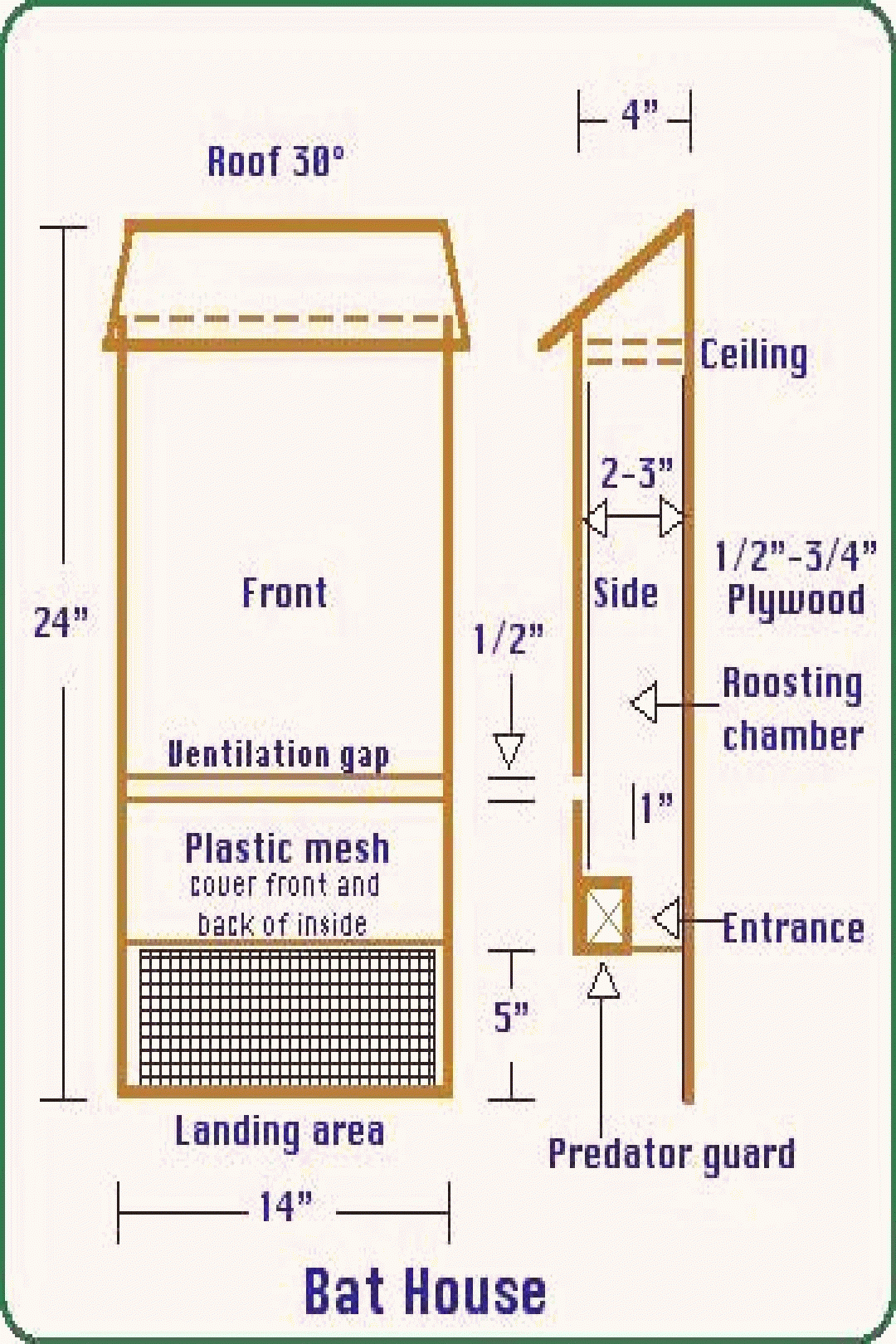
When constructing a bat house, it’s crucial to use untreated wood to avoid harmful chemicals that could be toxic to the bats. The interior of the bat house should be roughened to provide a secure grip for the bats, and proper ventilation is essential to prevent the structure from overheating. Following a set of detailed bat house plans will help ensure that your bat house meets all of these requirements and provides a comfortable and inviting space for bats to roost.
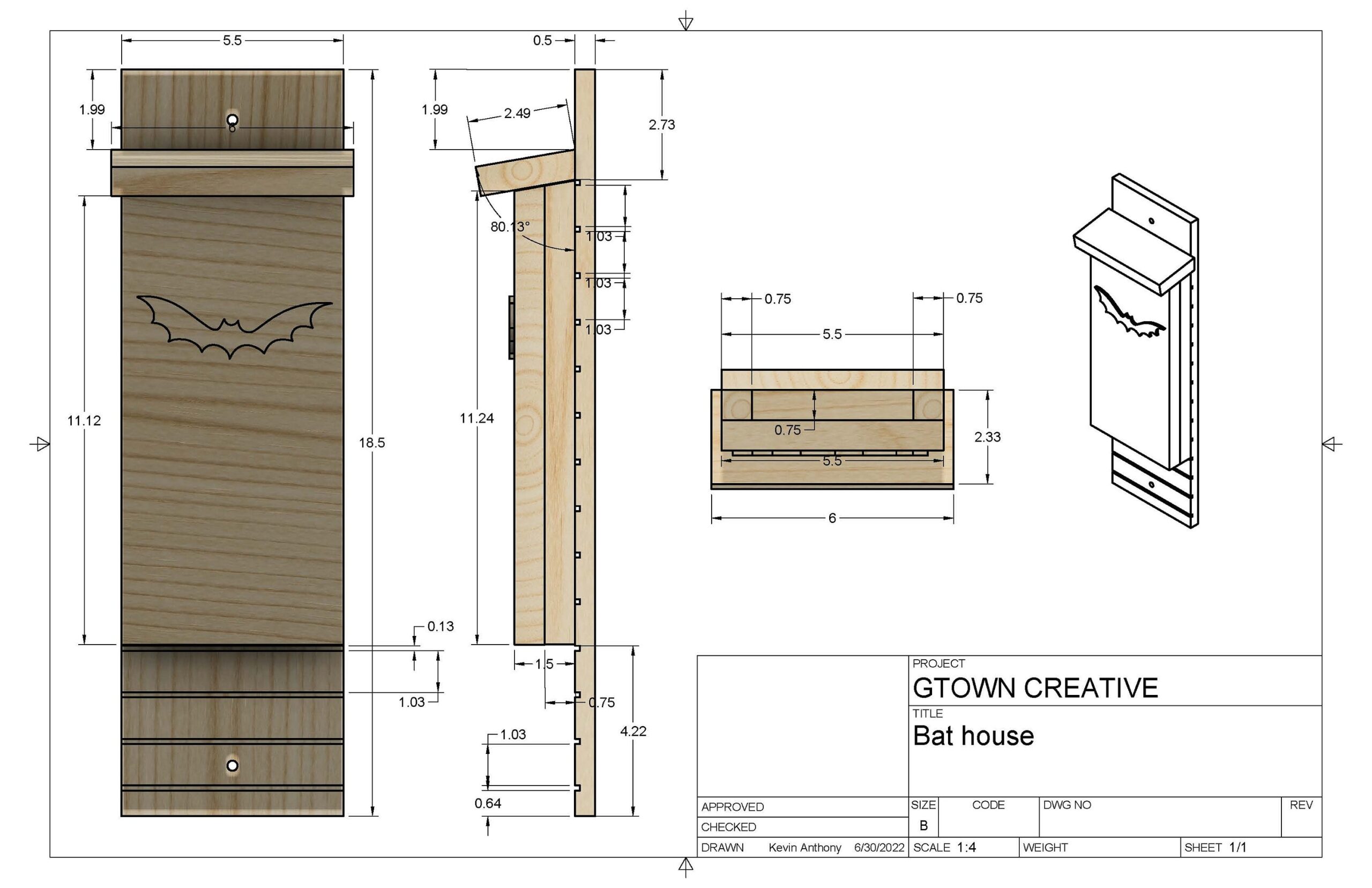
How to Build and Install Bat House Plans
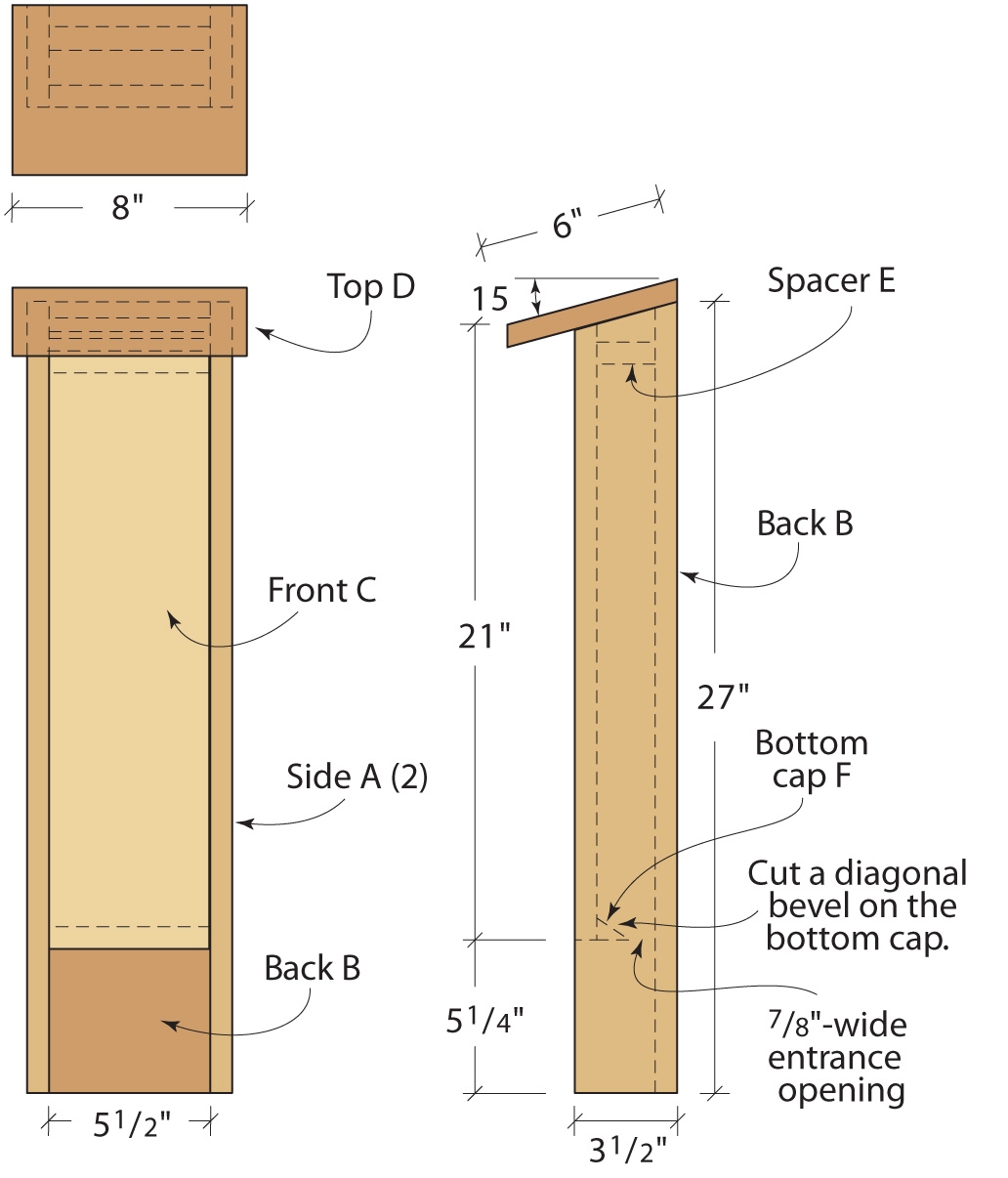
Creating a bat house is a relatively straightforward process that can be completed with basic woodworking skills and tools. There are numerous bat house plans available online, ranging from simple designs suitable for beginners to more complex structures for experienced builders. When selecting a plan, be sure to choose one that matches the size and type of bats in your area to maximize the chances of attracting occupants.
Once you have chosen a plan, gather the necessary materials, including untreated wood, screws, and outdoor paint or sealant. Follow the step-by-step instructions provided in the plan to cut and assemble the pieces, taking care to ensure a snug fit and secure construction. Once the bat house is assembled, paint or seal the exterior to protect it from the elements and extend its lifespan.
When it comes to installing your bat house, choose a location that meets the criteria outlined earlier, ensuring that the house is secure and stable. Mount the bat house on a pole or the side of a building, making sure it is at the proper height and orientation to attract bats. With proper placement and maintenance, your bat house can provide a safe and inviting home for bats for years to come.
Conclusion
In conclusion, bat house plans offer an excellent opportunity to create a safe and welcoming space for bats in your backyard while also benefiting from their natural pest control abilities. By following detailed plans and guidelines, you can build a bat house that meets the needs of these fascinating creatures and enhances your outdoor environment.
Overall, bat house plans are a valuable addition to any eco-conscious homeowner’s repertoire, providing a way to support biodiversity and promote a healthy ecosystem in your own backyard. Whether you are a seasoned woodworker or a novice DIY enthusiast, building a bat house is a rewarding and impactful project that can make a positive difference for both bats and humans.